

You know a town has a good story when three rivers meet in one spot and start one of the most famous waterways in America. That is Three Forks, the “Birthplace of the Missouri,” where the Jefferson, Madison, and Gallatin come together under huge Montana skies.
It feels like a true crossroads town: part history stop, part river town, part quiet base camp. If you like old stories, open space, and places that still move at a human pace, Three Forks is worth your time.
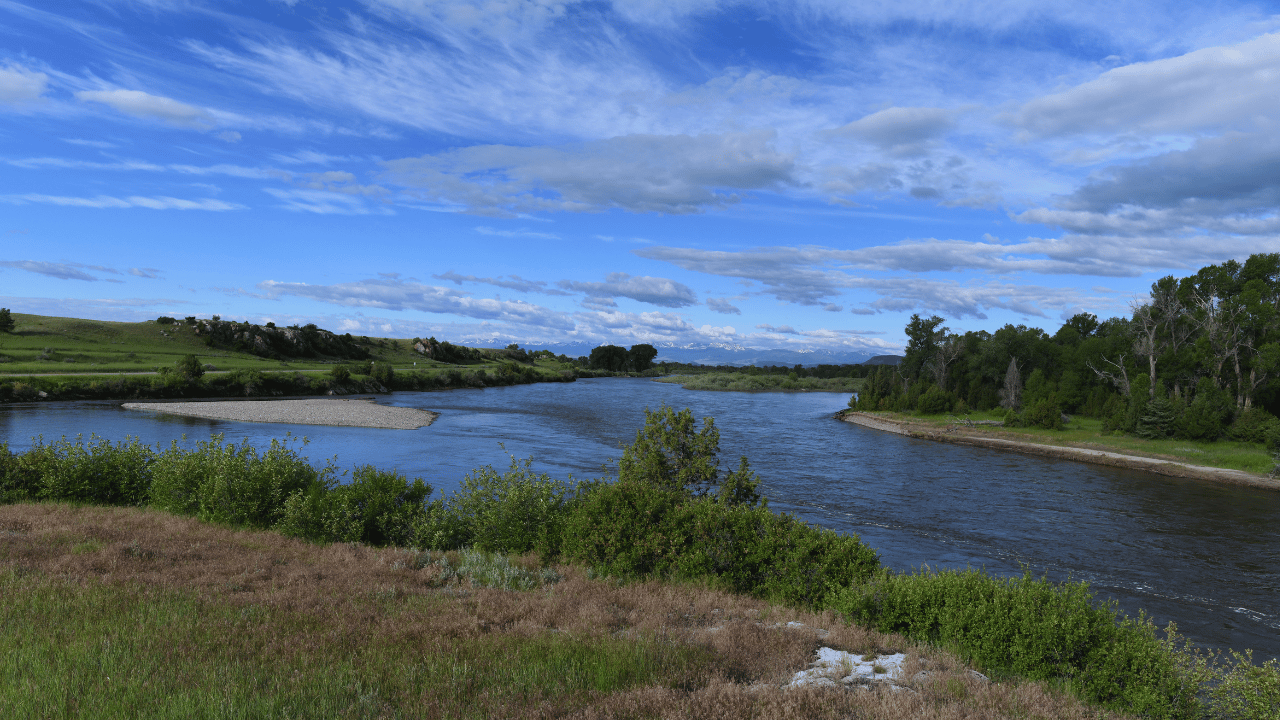
Missouri Headwaters State Park
At a Glance:
- Location: About 5 miles northeast of Three Forks on Trident Road, where the Missouri River officially begins.
- Best Time to Visit: Late spring through early fall, when the weather is milder and river access is better.
- Cost: Day use and camping fees are fairly affordable, and tipis are also available to rent.
- Reservations: A smart idea for campsites and tipis during the busy summer season.
- Duration: Plan for 2 to 4 hours, though it is easy to stay half a day or longer if you want to hike, float, or have a picnic.
Missouri Headwaters State Park is one of the most meaningful places to visit near Three Forks.
This is where the Jefferson, Madison, and Gallatin rivers come together to form the Missouri River, which gives the park a real sense of importance the moment you arrive. Lewis and Clark camped here in 1805, and that history still feels close when you walk the grounds.
The park does a nice job of mixing history with the outdoors. Interpretive trails help explain Native history, early exploration, and the role the rivers played in shaping the area. The walks are short and manageable, so it is easy to take your time, stop at scenic overlooks, and enjoy the open views.
A lot of people come here for the simple stuff, and honestly, that is part of the appeal. You can hike a bit, cast a line, float the river, or just sit with lunch and look out over the water. In summer, campsites, picnic areas, and ranger programs make it an easy place to spend a relaxed morning or afternoon just outside town.
Lewis & Clark Caverns State Park
At a Glance:
- Location: About 19 miles west of Three Forks, just off Montana Highway 2.
- Best Time to Visit: May through September for regular guided cave tours. December is also popular for seasonal candlelight tours.
- Cost: There is a fee for the guided cave tour along with regular state park entry.
- Reservations: Strongly recommended in summer, especially on weekends and holiday periods.
- Duration: Set aside 2 to 3 hours for the main cave tour, or half a day if you want time for hiking or a picnic too.
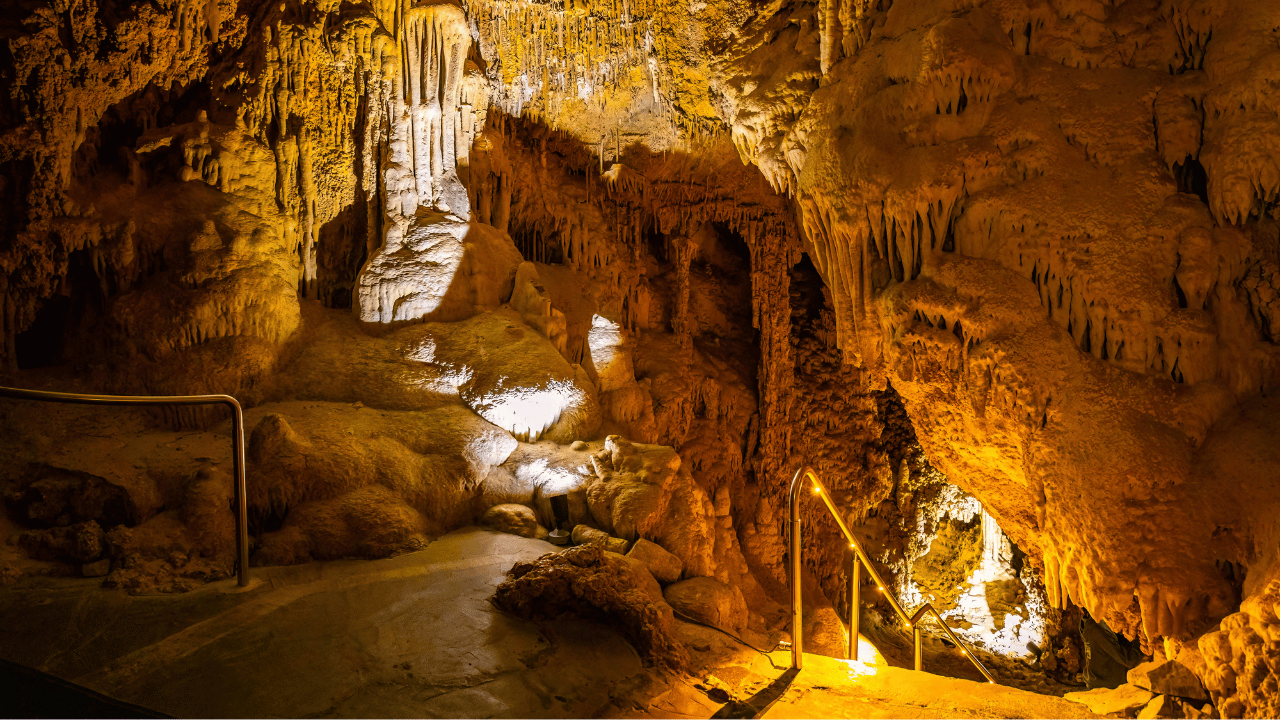
Lewis & Clark Caverns State Park is one of the most memorable day trips near Three Forks.
As Montana’s first state park, it has both historical value and a real sense of fun once you get there. The main draw is the cave system, one of the largest limestone caves in the Northwest, filled with striking formations like stalactites, stalagmites, columns, and flowstone.
The guided cave tour lasts about two hours and takes you through cool passages that stay around 50 degrees year round. There are stairs, bends, and a few low ceilings, so it feels active without being too intense for most visitors.
For many people, that mix is part of what makes it such a good stop. It feels adventurous, but still works well for families and casual travelers.
Above ground, the park has more to offer than many people expect. You will find hiking and biking trails, scenic viewpoints, a campground, and a visitor center with exhibits that help explain the area’s geology and early history.
If you are visiting in summer, the cave is also a nice break from the heat, and the cooler air feels pretty great after time in the sun.
Headwaters Heritage Museum
At a Glance:
- Location: 202 South Main Street in downtown Three Forks, inside a historic 1910 bank building.
- Best Time to Visit: Summer, especially June through September, when regular visiting hours are more common. Off season visits may be available by appointment.
- Cost: Admission is free, though donations help support the local historical society.
- Reservations: Not needed for regular visits, though group tours or topic focused visits are better arranged ahead of time.
- Duration: Most people spend 1 to 2 hours looking through the galleries and upstairs exhibits.
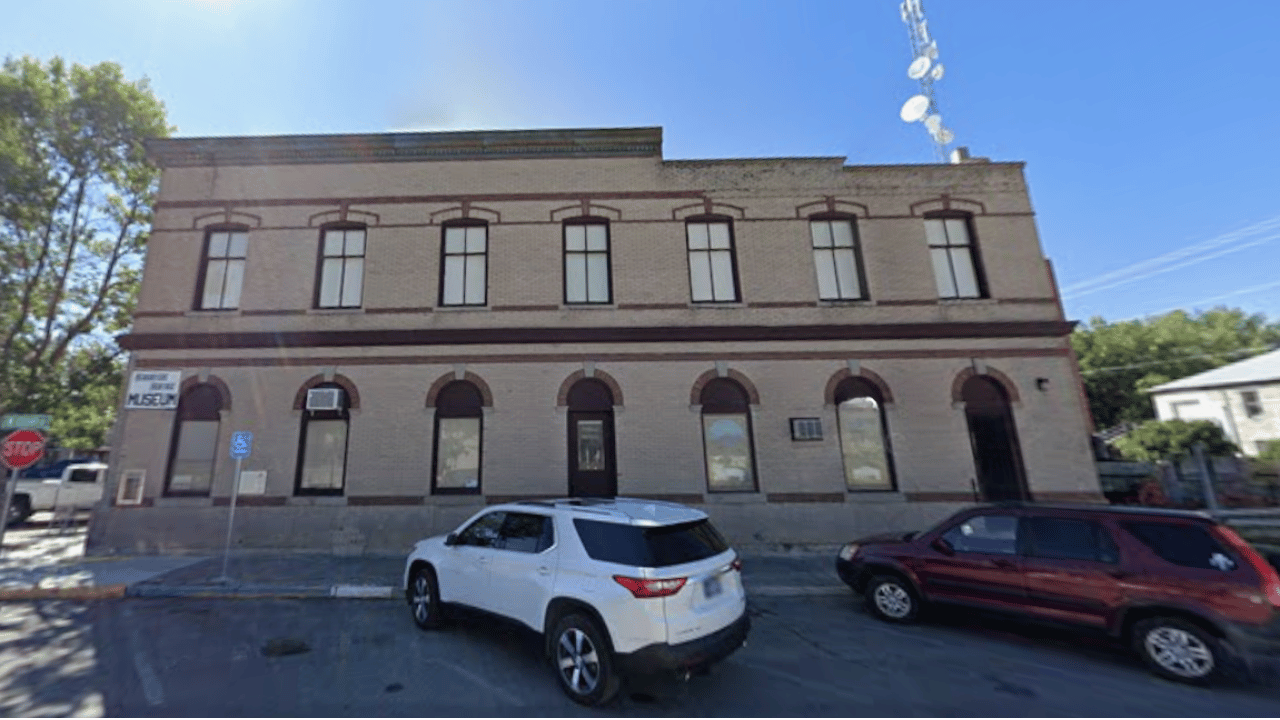
The Headwaters Heritage Museum is one of those places that helps a town make sense. From the outside, it may look like a modest local museum, but once you step in, you find room after room packed with objects and stories tied to the Three Forks area.
The collection covers Native history, homesteading, railroads, military service, and daily life, giving you a fuller picture of how the town grew over time.
Part of the charm comes from the building itself. The museum sits inside a beautifully preserved early 1900s bank, which gives the whole visit more character right away.
Inside, the displays range from an old kitchen and schoolroom to railroad items and tributes to local veterans. Upstairs, former offices have been turned into themed exhibit rooms, including a blacksmith shop and even a surprisingly large barbed wire collection.
It is a small town museum, but it does not feel small in what it covers. If you want to understand how this river junction turned into a railroad community and why local history still matters here, this is one of the best stops in Three Forks.
Fly Fishing the Madison River
At a Glance:
- Location: The lower Madison River, from Warm Springs access down toward Three Forks.
- Website: Regional fly fishing outfitters and river information pages for the Madison River.
- Best Time to Visit: Late spring through early fall, when the weather is pleasant and river conditions are often better for fishing.
- Cost: Fairly affordable if you already have your own gear and a fishing license. Guided trips and boat rentals will cost more.
- Reservations: A smart move if you want a guided float trip or need to rent a boat during the busy season.
- Duration: Around 3 to 6 hours for a half day on the water, though many anglers stay out for a full day.
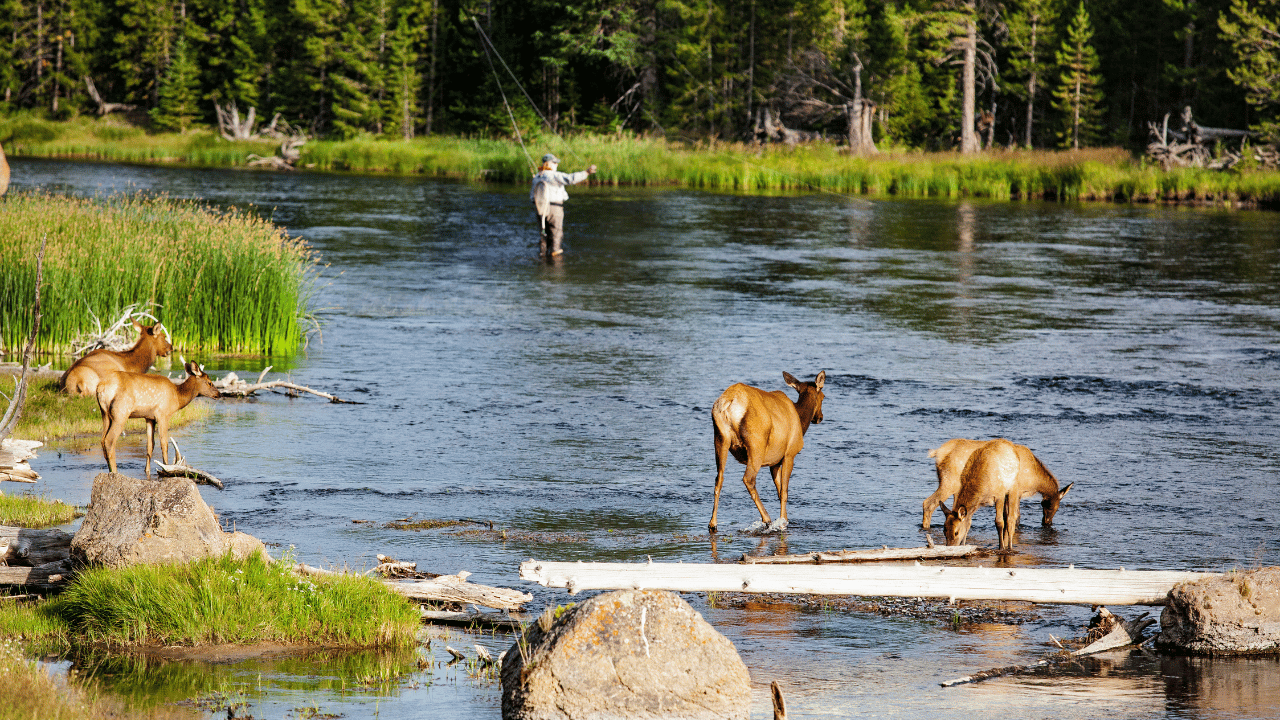
Fly fishing on the Madison River is one of the classic outdoor experiences near Three Forks.
The lower stretch of the river flows through canyons and open valleys on its way toward town, giving anglers a mix of good fishing and beautiful views. This section is known for healthy numbers of rainbow trout and brown trout, along with mountain whitefish and, now and then, Arctic grayling.
Part of what makes the lower Madison such a good fit for visitors is how flexible it is. More experienced anglers can wade into good access spots and work the river on their own, while beginners can book a guided float and learn along the way.
It does not feel like a place reserved only for serious fishermen. It feels open to anyone who wants to spend a few calm hours outside.
Even people who are not obsessed with fishing tend to enjoy the setting here. The river moves at its own pace, the views stretch out around you, and the whole outing feels like a direct connection to the waters that help form the Missouri River. If you want a slower, more peaceful side of the Three Forks area, this is one of the best ways to find it.
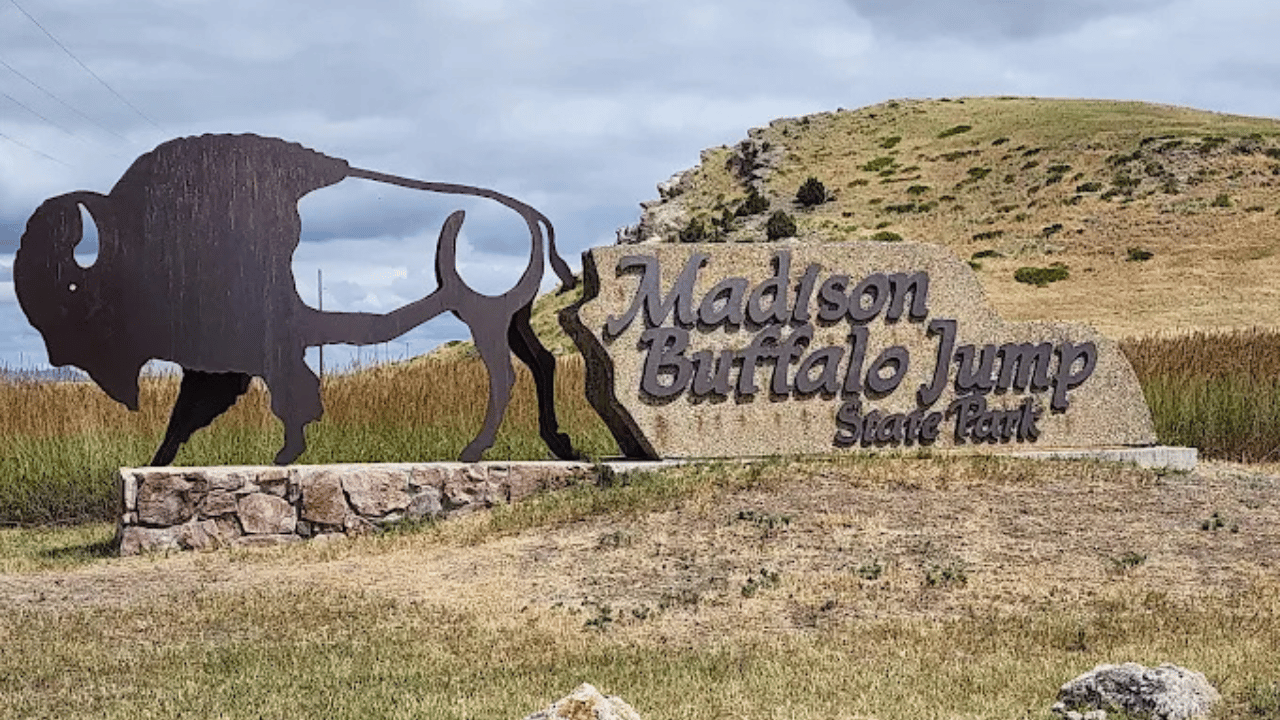
Madison Buffalo Jump State Park
At a Glance:
- Location: Southeast of Three Forks on county roads off Interstate 90, with views over the Madison River valley.
- Best Time to Visit: Spring through fall, when the trails are drier and the views are usually clearer.
- Cost: Standard state park day use fee or a valid Montana Parks pass.
- Reservations: Not needed, since this is a day use stop for hiking and sightseeing.
- Duration: Around 1.5 to 3 hours for the trail, the viewpoints, and time to read the interpretive signs.
Madison Buffalo Jump State Park is one of the most thought provoking places near Three Forks.
The site protects a limestone cliff where Indigenous hunters once drove bison over the edge, using careful planning and teamwork to provide food, hides, and tools for their communities. It is a place with real weight to it, and that feeling stays with you as you walk the trail.
The hike leads you up to viewpoints over the bluff and across the Madison River valley. Along the way, interpretive signs explain how buffalo jumps worked and why sites like this mattered so much on the Northern Plains.
It is not a flashy stop, and honestly, that is part of what makes it memorable. The open space, the quiet, and the history all do the work without much fuss.
If you want a place near Three Forks that combines a short hike with a stronger sense of the region’s Native history, this park is worth the drive. You get wide skies, strong views, and a chance to spend time somewhere that feels both peaceful and important.
Three Forks Rodeo and Rodeo Dayz
At a Glance:
- Location: Three Forks Rodeo Grounds and downtown Main Street.
- Best Time to Visit: Mid July, when the annual Three Forks NRA Rodeo and Rodeo Dayz celebration usually take place.
- Cost: Rodeo admission requires a ticket, while many of the street events are free or fairly affordable.
- Reservations: It is a good idea to buy rodeo tickets ahead of time, and local lodging can fill up fast that weekend.
- Duration: One evening works for the rodeo itself, but a full weekend gives you time to enjoy all of Rodeo Dayz.
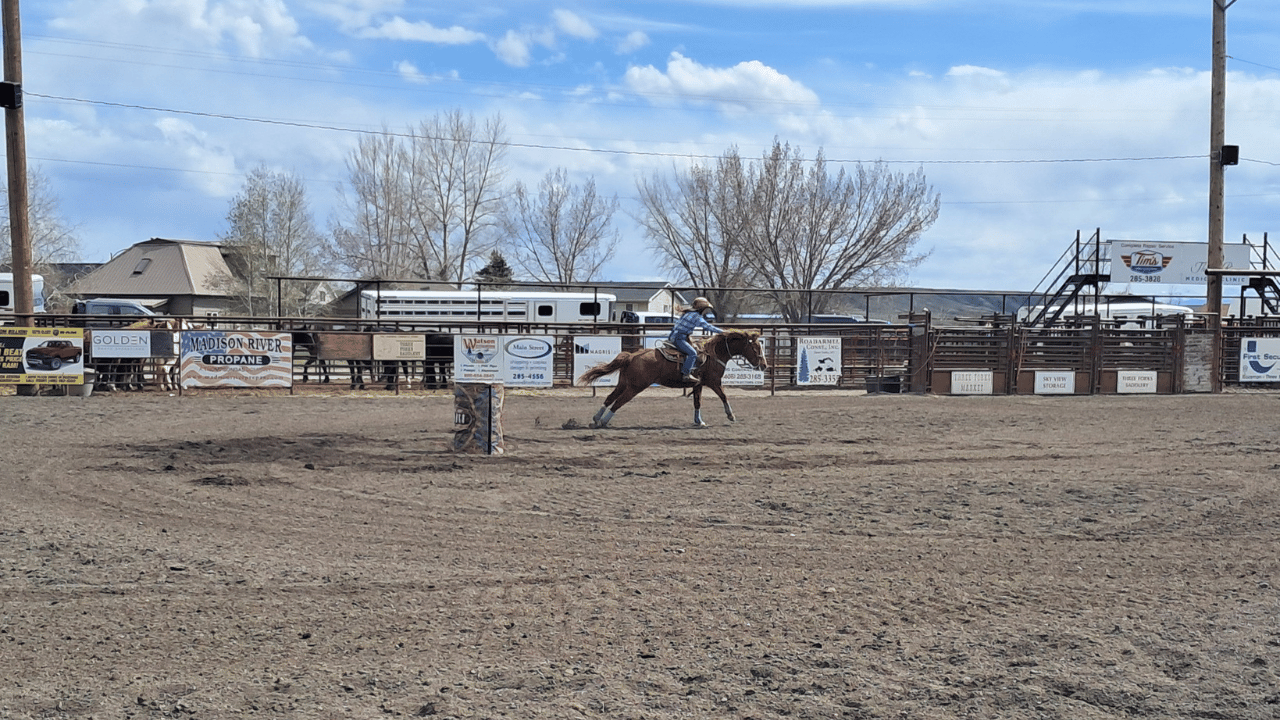
If you want to catch Three Forks at its most lively, plan your visit around Rodeo Dayz.
Each summer, the town shifts gears and fills up with the energy of the annual rodeo, along with a full lineup of community events downtown. It is one of the best times to see how local tradition and small town fun come together in a way that feels real, not staged.
The rodeo brings the action people expect, with classic events, announcers, cheering crowds, and plenty of Western style. Around it, Rodeo Dayz adds even more to the weekend.
There is often a street dance, a farmers market, family activities, contests, and plenty of reasons to spend time walking Main Street. Kids get their own fun too, with things like stick horse races and games that keep the whole weekend feeling family friendly.
What stands out most is the atmosphere. Locals and visitors show up in boots and hats, people linger downtown, and the whole town feels like it is in on the same celebration. If you want more than scenic drives and quiet parks, and would rather see the social side of Three Forks, this is one of the best ways to do it.
Conclusion
Three Forks blends some of the best parts of Montana in one small corner of the state: standout fishing, unusual geology, river history, Native history, railroad history, and a town culture that still feels real. It is not loud about any of it, which may be why people remember it so well.
If you have two hours or two days, Three Forks is worth the detour. Go stand where the Missouri begins. Walk into a cave. Visit the museum. Watch the river slide past. Catch the rodeo if you can.
Have you visited the Birthplace of the Missouri yet? Let us know your favorite Three Forks spot in the comments below.