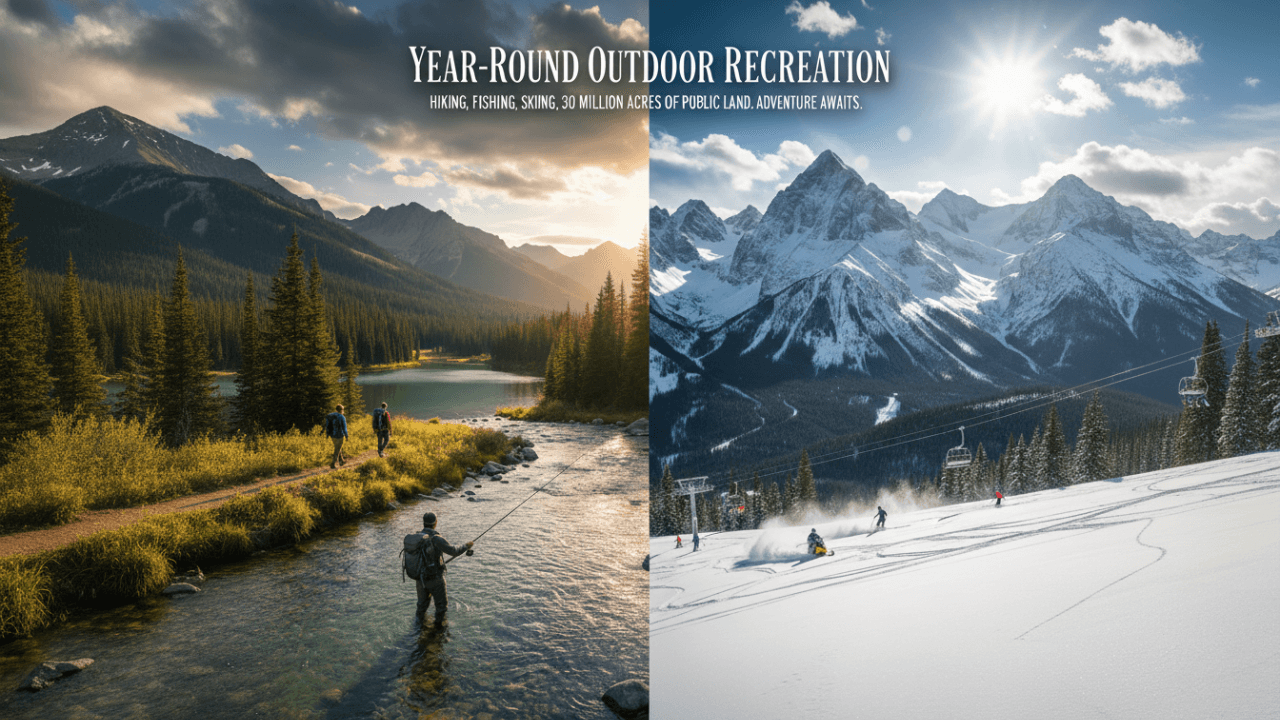
A few years ago, Montana felt like the kind of place you visited, then talked about for years. Now, people keep coming back with moving trucks. They want more room to breathe, more time outside, and a daily routine that does not feel like a race.
Montana also has growing job pockets, better internet in many areas, and communities where neighbors still look out for each other. Below are the main reasons why people choose Montana, with the real-life details that usually matter once you start picturing yourself here.
1) Unrivaled Scenic Beauty and National Parks
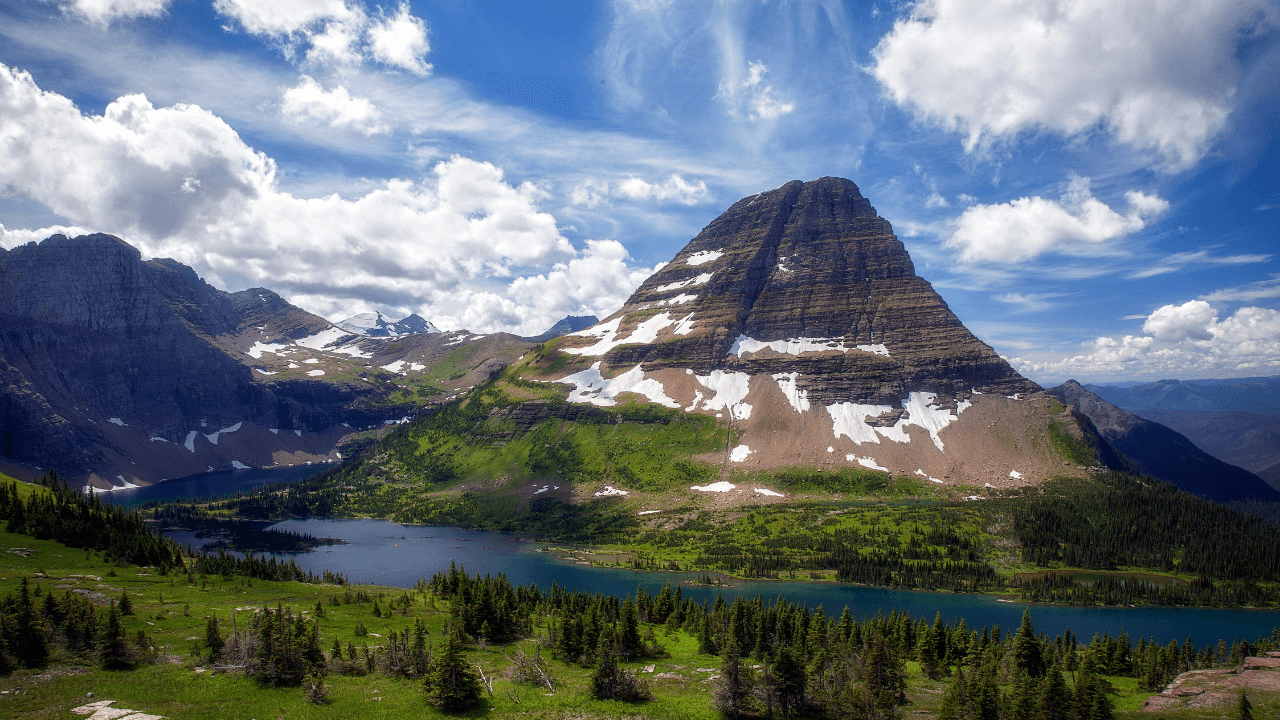
Living in Montana puts famous places within reach in a way that changes your weekends. Glacier National Park is not a once-in-a-lifetime trip when it’s close enough for a day off. People drive up early, grab a coffee, and find themselves standing by a cold blue lake before lunch.
Yellowstone, partly in Montana, has the same pull. When you can go back more than once, you stop rushing and start noticing small things…steam drifting over a river at sunrise, bison moving like slow tanks across a meadow, the hush that settles in when the wind drops.
The scenery isn’t only national parks, either. Western Montana brings rugged Rocky Mountain peaks, thick pine forests, and river valleys that feel like they were built for long walks.
Eastern Montana opens into big prairies and ranch country, where you can drive for miles with a clean horizon in front of you. Some people move here thinking they are “mountain people,” then fall for the plains because the space calms their head.
And, then there’s the sky. Montana’s “Big Sky” reputation is real, and it is not just about daytime views.
In many towns and rural areas, light stays low enough that stargazing becomes part of normal life. Newcomers talk about that first clear night when they step outside, look up, and just stop. It’s hard to explain, but it hits you in the best way.
2) A Slower, Less Crowded Lifestyle
A lot of moves to Montana start with one tired sentence: “I can’t live like this anymore.” That usually means traffic, noise, packed schedules, and that feeling that every small task takes too long.
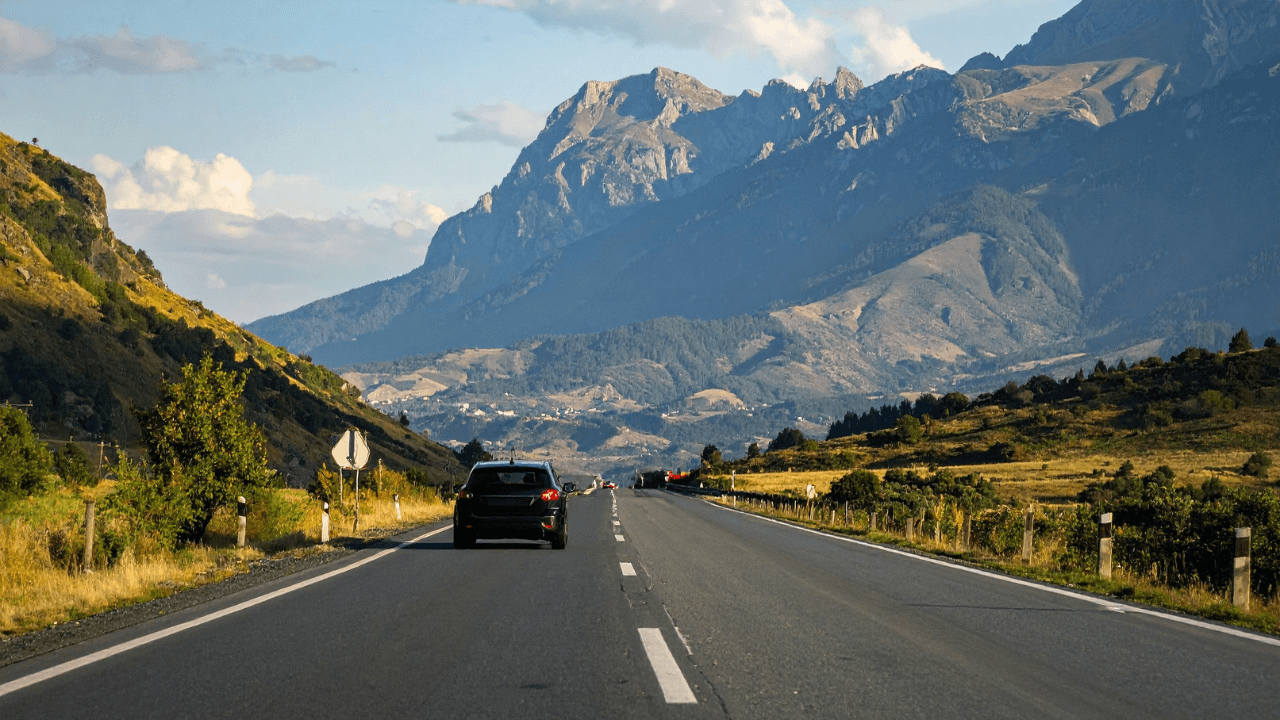
Montana offers a different pace, and people notice it right away. Roads feel open. Even busier towns often feel calmer than mid-sized metro areas in other states.
The low population density plays a big role. Montana averages about seven people per square mile, and that space shows up in daily life. Less crowding can mean fewer lines, fewer loud nights, and less of that constant friction that builds stress.
People also describe a more relaxed social culture…not perfect, not magical, but calmer. You can chat with someone in a hardware store aisle and it doesn’t feel weird.
Quiet nights matter, too. Plenty of new residents mention sleep as a surprise perk. Fewer sirens, less late-night traffic, less background noise. It sounds simple, yet after a month or two, it can feel like a life upgrade you did not know you needed.
3) Financial Advantages (No Sales Tax and Lower Costs)
One reason why Montana keeps showing up on relocation lists is money. Montana has no statewide sales tax, so the total at checkout is often closer to the sticker price.
That can feel like a small win, yet it adds up when you’re buying furniture, appliances, school supplies, or outdoor gear. People moving from high-tax states notice it fast.
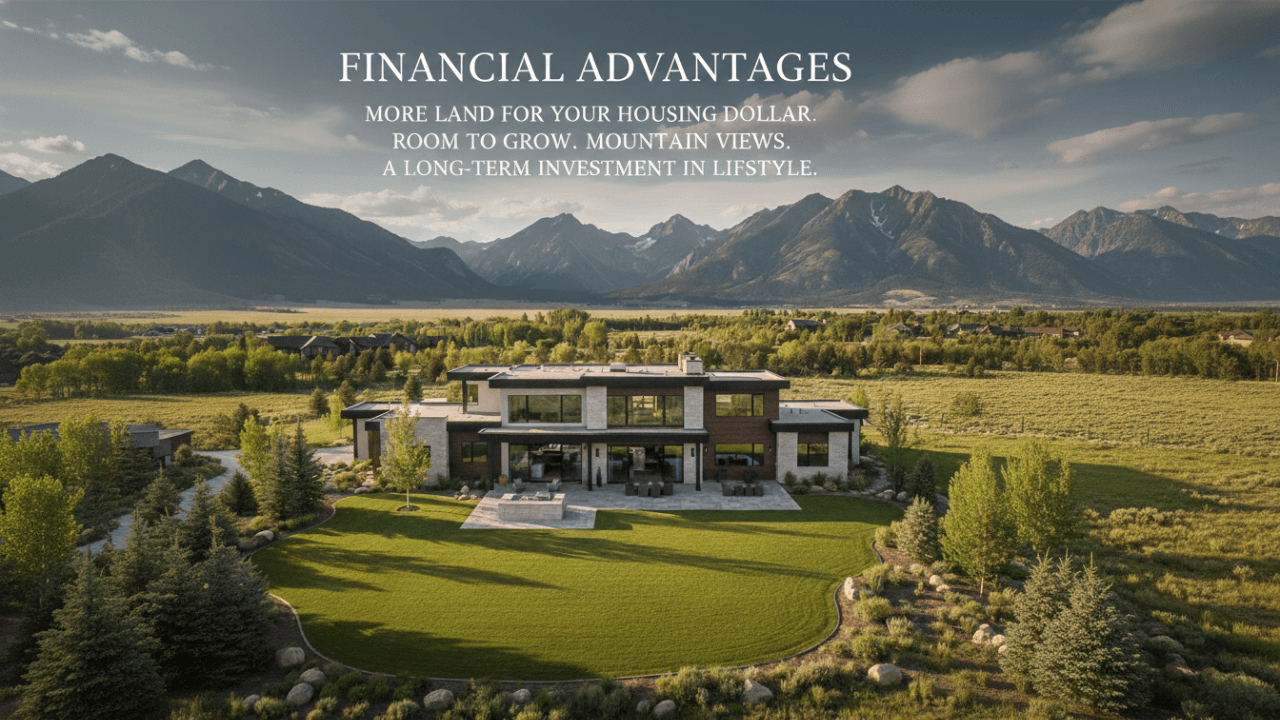
Housing costs have risen in popular areas, and locals talk about it openly. Still, many buyers say their “housing dollar” often buys more here than it would in coastal metro regions.
In other places, a budget might get you a small home with no yard. In Montana, that same budget may get you more square footage or more land, depending on the town and how close you are to the hottest markets.
A smart way to think about the financial side is to look at the full monthly picture, not just the purchase price. People who feel happiest after moving usually ran the numbers with everyday costs in mind, like:
- Heating and utilities since winter can be serious
- Vehicle costs, including snow tires and maintenance
- Commute distance because some errands involve longer drives
- Childcare and school needs, which vary by area
- Groceries and healthcare access, which can differ a lot between towns
Montana can be a solid financial move for many families, but it works best when you plan with real-life details, not wishful thinking.
4) Remote Work and the Tech Revolution
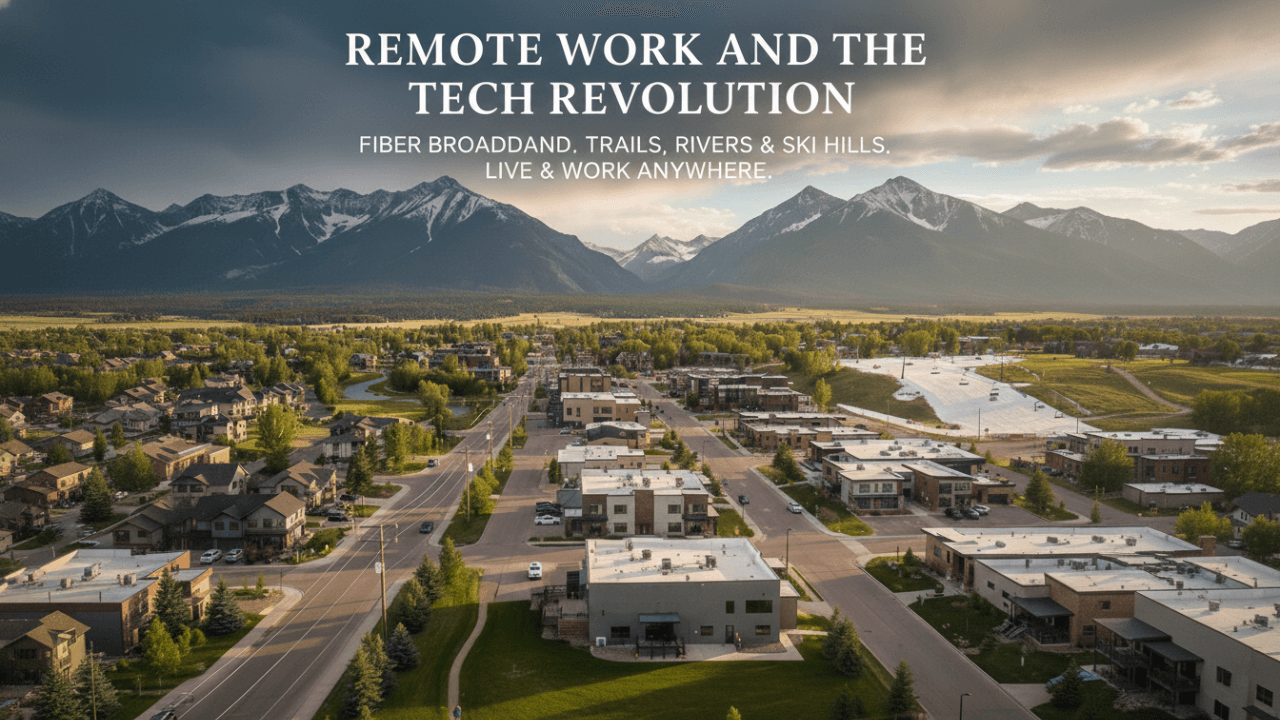
Remote work changed the map for a lot of people, and Montana is one of the places that benefited. If you can work from anywhere, you start asking, “Where do I actually want to live?” For many, the answer becomes a town where you can finish your workday, step outside, and be near trails, rivers, or ski hills.
Bozeman and Missoula often come up in these conversations. Both have strong energy, growing business activity, and a culture that fits remote-friendly life. You might meet someone on a trail who closes software tickets by day and skis after work. That blend feels normal here, and it’s part of why people stay.
Internet matters, and more communities have pushed fiber and better broadband options over the past years, especially around larger towns. Rural coverage can still vary, so newcomers who work online usually test service before they sign a lease or close on a home. It’s not glamorous, but it saves headaches later.
Remote work also changes how people use their day. Folks take a short hike on a lunch break. They run errands at quieter times. Some hit the slopes and still make it home for dinner. It’s not a fantasy, it’s just how life works when the outdoors is close and your schedule has more control.
5) Year-Round Outdoor Recreation