

Missoula still has a pull that is hard to ignore. People come for the river trails, college town buzz, and easy access to the outdoors, which is why it still feels like Montana’s cultural and recreation center.
But moving here in 2026 takes a clear view. The housing rush has cooled, yet prices remain high enough to catch many newcomers off guard. This guide looks past the Griz excitement and postcard charm to show what day to day life in the valley actually feels like.
The 2026 Housing Market
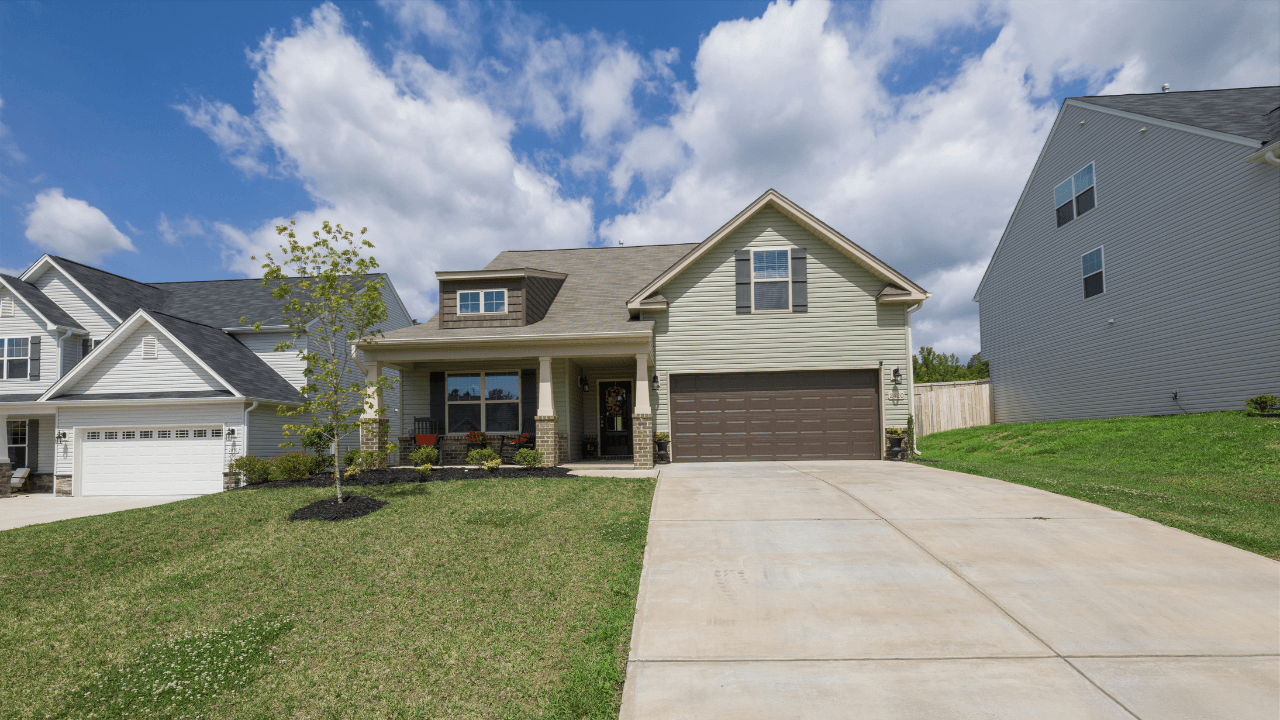
Missoula’s housing market looks calmer than it did a few years ago, but that does not mean it feels cheap.
In 2026, the median price for a single family home has settled at around $584,000, while the broader median, which includes condos and similar properties, sits closer to the $510,000 to $550,000 range. That gap matters more than people expect.
Many newcomers hear one number and assume the whole market works that way, then get hit with a different reality once they start house hunting. Another wrinkle is inventory. Higher end homes priced above $1 million can sit for longer, while entry level houses around the $460,000 mark still draw plenty of attention.
The good news is that buyers finally have a little breathing room again. Sellers are no longer calling every shot, and more people are getting repairs, credits, and other concessions written into the deal.
The Mid Tier Squeeze
Renting in Missoula can feel like a halfway step, but it is not always an easy one. In 2026, one bedroom apartments usually fall somewhere between $1,340 and $1,580, while two bedroom units often climb past $1,800. That puts pressure on people who are not ready to buy but still want a decent place in town.
Where you look matters a lot. The University District often gives renters somewhat lower prices, though many of the buildings are older and come with the wear and tear you would expect.
On the other hand, areas near the Riverfront or the Rattlesnake usually ask for more money, thanks to location, scenery, and quick access to trails and open space.
New housing around Scott Street and parts of the Northside has added some relief in 2026, but it has not changed the bigger picture. Missoula still has a tight middle range where renters pay a lot for places that vanish fast.
The Wage Gap
One of the hardest parts of moving to Missoula is coming to terms with the gap between pay and cost of living.
Older writeups often made the city sound more manageable than it really is, but current numbers show Missoula is now about 16% more expensive than the national average when local buying power is factored in. That gap shows up most clearly in housing.
Median household income is roughly $82,340, yet the income needed to comfortably afford a median priced home is now over $125,000. That is a pretty sharp divide, and it explains why many residents feel squeezed even when they earn what sounds like a decent salary on paper.
Remote workers and people in tech or professional services have helped soften that pressure a bit, especially with that part of the job market growing by around 28%. Even then, healthcare still stands as the biggest employer, which means a lot of the city still runs on local wages that have not fully caught up with local costs.
Inversions and Smoke Season
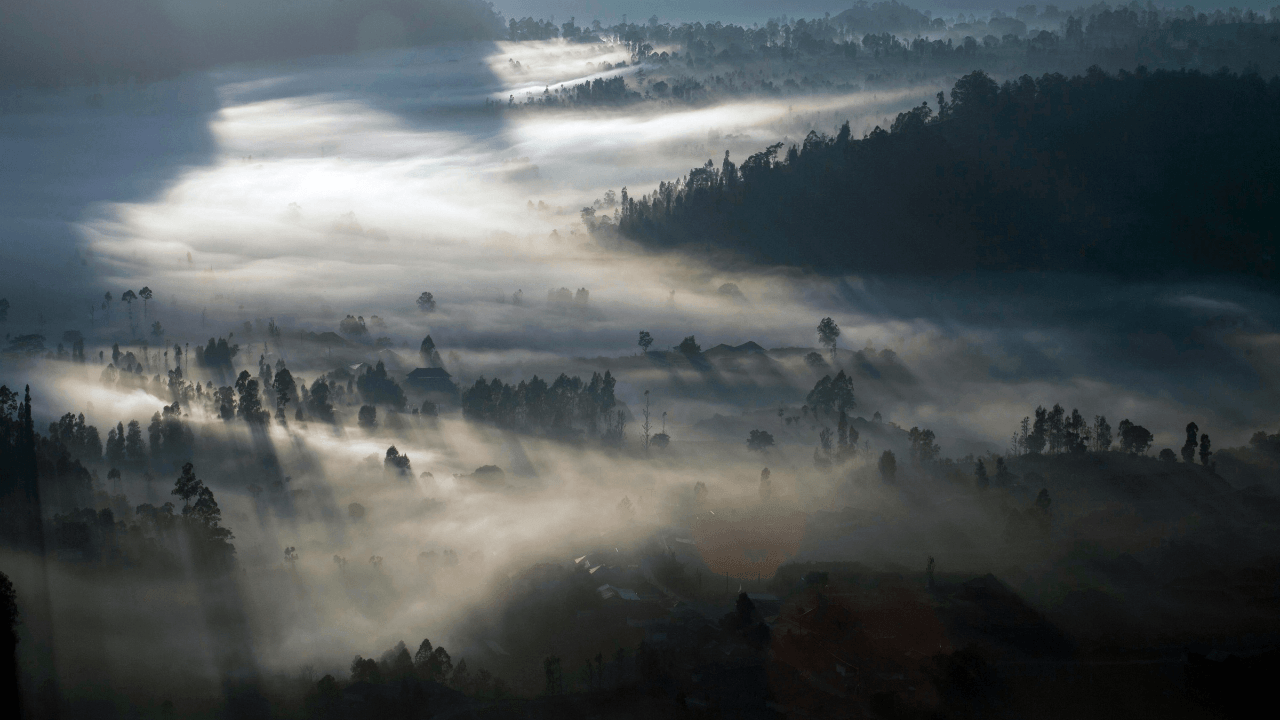
Weather in Missoula can shape your mood more than many newcomers expect. From about October through April, the valley often deals with an inversion, which happens when cold air and clouds get trapped in the basin.
Instead of bright winter days, you can end up with long stretches of gray skies, flat light, and air that feels heavy. Locals often call it “The Gray,” and that nickname makes sense once you have lived through a few weeks of it.
Then, just when winter finally fades, late summer can bring a different issue. In August and September, wildfire smoke has become a regular part of life in western Montana.
Some days stay manageable, while others make it smart to limit outdoor time. Before moving, it helps to know that checking the Missoula Health Department’s air quality reports, especially “Air Quality for Sensitive Groups” alerts, is just part of the routine here.
Outdoor Recreation as a Daily Commute
One reason people fall for Missoula so quickly is how easy it is to get outside without turning it into a whole event. In a lot of places, hiking or fishing means packing the car, driving across town, and setting aside half a day.
Missoula works differently. You can hike Mount Sentinel after work, walk the river trail before dinner, or spend part of a lunch break near the Clark Fork. That easy access changes the rhythm of daily life in a good way. Still, outdoor access now comes with a little more structure than some people expect.
In 2026, a Montana Conservation License is needed for many basic public access areas, even for simple activities like hiking or wildlife viewing in certain spots. It is a small thing, but one that catches plenty of newcomers off guard.
The Slant Streets and Zero Fare Transit
Missoula has a few quirks that take some getting used to, and the Slant Streets are one of them. In that part of town, the street grid shifts at an angle, which can make directions feel odd at first.
You think you know where you are going, then suddenly the road cuts diagonally and your route gets a little weird. Even Google Maps can struggle now and then with Missoula’s shortcut style layout.
On the bright side, getting around town does not always require a car. Mountain Line’s zero fare bus system is a real money saver for students, workers, and anyone trying to keep monthly costs down.
Add in Missoula’s strong biking culture, and it starts to make sense why so many locals mix buses, bikes, and walking into everyday life. For a small city, Missoula punches above its weight when it comes to getting around without spending a fortune on gas.
The University of Montana “Griz” Factor
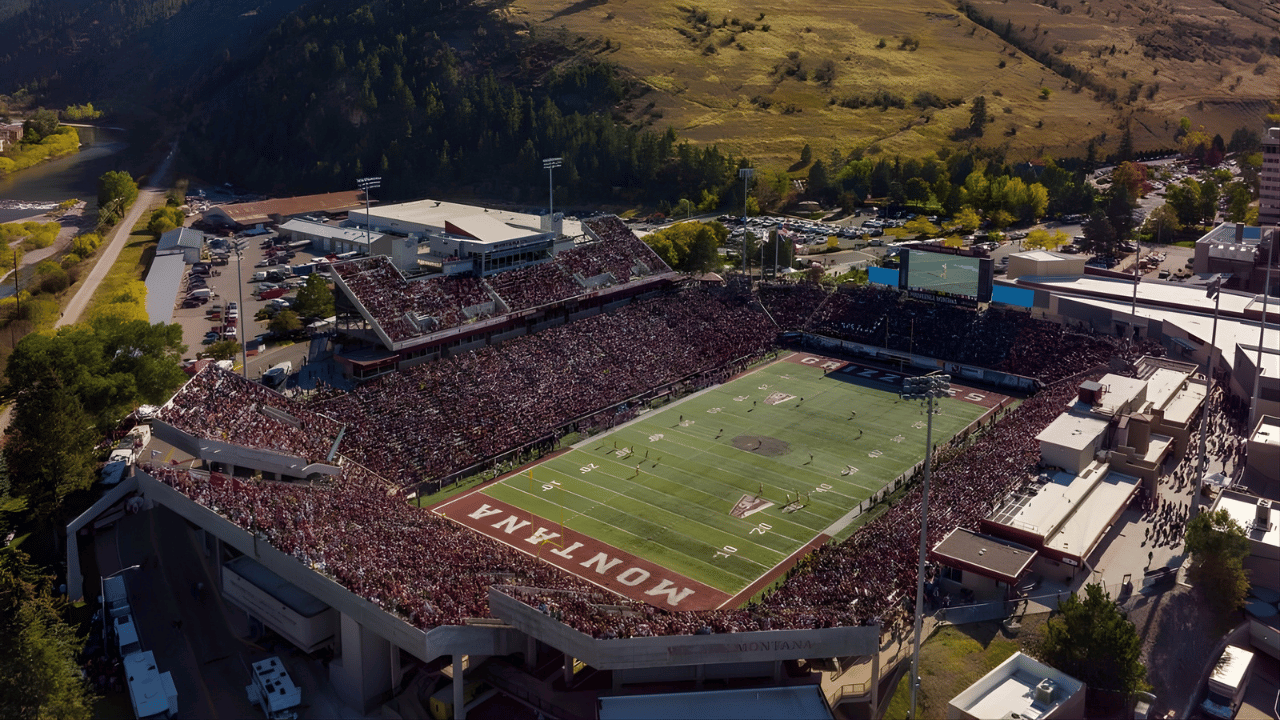
The University of Montana shapes Missoula in a way that goes far beyond classrooms and campus buildings. It drives a big part of the local economy, fills the city with students and events, and gives Missoula much of its social energy.
You feel that influence downtown, in local businesses, and during the school year when the whole city seems to pick up speed. The Griz brand is not just school spirit here, it is part of daily life. Newcomers should also know that football Saturdays can completely change the mood of town.
On Maroon Out game days, traffic near the stadium slows to a crawl, parking gets frustrating, and crowds spill into nearby streets and businesses. It can be chaotic, but it also gives Missoula a level of energy that few Montana cities can match.
Wildlife and Urban Boundaries
Living in Missoula means sharing space with wildlife more than many people expect. Deer are everywhere, and they are not shy about wandering through neighborhoods, chewing up gardens, or treating front yards like their personal buffet.
That is why deer proof landscaping is not really optional for many homeowners. It is just part of living here. Bears are a more serious issue in areas close to open space, especially in places like the Rattlesnake and Grant Creek.
In those neighborhoods, Bear Smart trash storage is legally required to help reduce conflict with both grizzly and black bears. For newcomers, this can feel unusual at first, but it quickly becomes part of normal routine. In Missoula, the edge between town and wild country is much thinner than it looks on a map.
Lifestyle Trade offs

Missoula offers a strong sense of local identity, and a lot of people love that right away. There is real pride in shopping small, supporting neighborhood businesses, and keeping money in the community.
At the same time, that comes with a trade off. If you are used to major metro areas with luxury retail, large specialty stores, or endless dining choices, Missoula can feel a bit narrow.
The city has good restaurants and a food scene that keeps improving, but it is still growing into the reputation people sometimes give it. The breweries stand out the most.
Places like Draught Works and Imagine Nation have helped put Missoula on the map for beer lovers, and they often deliver a stronger experience than the city’s restaurant scene as a whole. So while Missoula eats and drinks well, it still feels more local and laid back than polished and upscale.
Community and Ethos
Missoula has a social and political character that stands apart from much of Montana. People often call it the Berkeley of the Rockies, and while that label gets tossed around a lot, it does point to something real.
The city leans progressive, cares deeply about public land, and puts a lot of value on arts, sustainability, and community involvement. You can feel that in everything from farmers markets to nonprofit events to neighborhood conversations about growth and conservation.
Fitting in here is less about status and more about showing that you care about the place. Respect for the land matters. So does showing up, whether that means volunteering, supporting local causes, or simply learning the values that shape the valley.
In Missoula, community standing often comes from participation, not just presence.
Conclusion
Missoula in 2026 makes the most sense for people who care more about daily access to mountains, rivers, and open space than chasing bigger paychecks. The lifestyle is the draw, and for many people, that trade feels worth it. Before making a long term move, spend a week renting in February.
Live through the gray skies, cold mornings, and slower winter rhythm. If Missoula still feels like home at that point, there is a good chance you will love living there year round.