

Western Montana is made for camping. With glacier-fed lakes, quiet forests, and wide-open skies, it’s the perfect place to unplug and breathe for a while. Whether you’re looking for a peaceful tent site or a family-friendly basecamp, this region has something for everyone.
In this guide, we’ll highlight five top campgrounds and share helpful tips to make your trip smooth and memorable. From mountain hikes to lakeside sunsets, the camping experiences here are unforgettable.
1. Apgar Campground

At a Glance:
- Location: Near Lake McDonald
- Website: nps.gov/glac
- Best Time to Visit: Late May – Early September
- Cost: $20–$25/night, $10 for primitive camping
- Reservations: Some sites are reservable, others are first-come
- Duration: 7-day limit
Apgar Campground is where most folks get their first taste of Glacier National Park, and it doesn’t disappoint. With 194 campsites, it’s the biggest in the park and can handle tents, trailers, and RVs up to 40 feet.
You’re just a short stroll from Lake McDonald’s shoreline, where sunsets look like something out of a painting. Just a few minutes from Apgar Village, the campground has easy access to a visitor center, restaurants, and shops.
Flushable toilets, drinking water, and ranger-led evening programs give it a welcoming, community vibe without stripping away the nature-focused feel. Kids and adults both enjoy the amphitheater talks, and the quiet mornings are ideal for paddling out across the glassy lake.
2. Two Medicine Campground
At a Glance:
- Location: Southeast corner of Glacier National Park
- Website: nps.gov/glac
- Best Time to Visit: Late May – Late October
- Cost: Regular camping fee, $10 for primitive
- Reservations: First-come, first-served
- Duration: 7-day limit
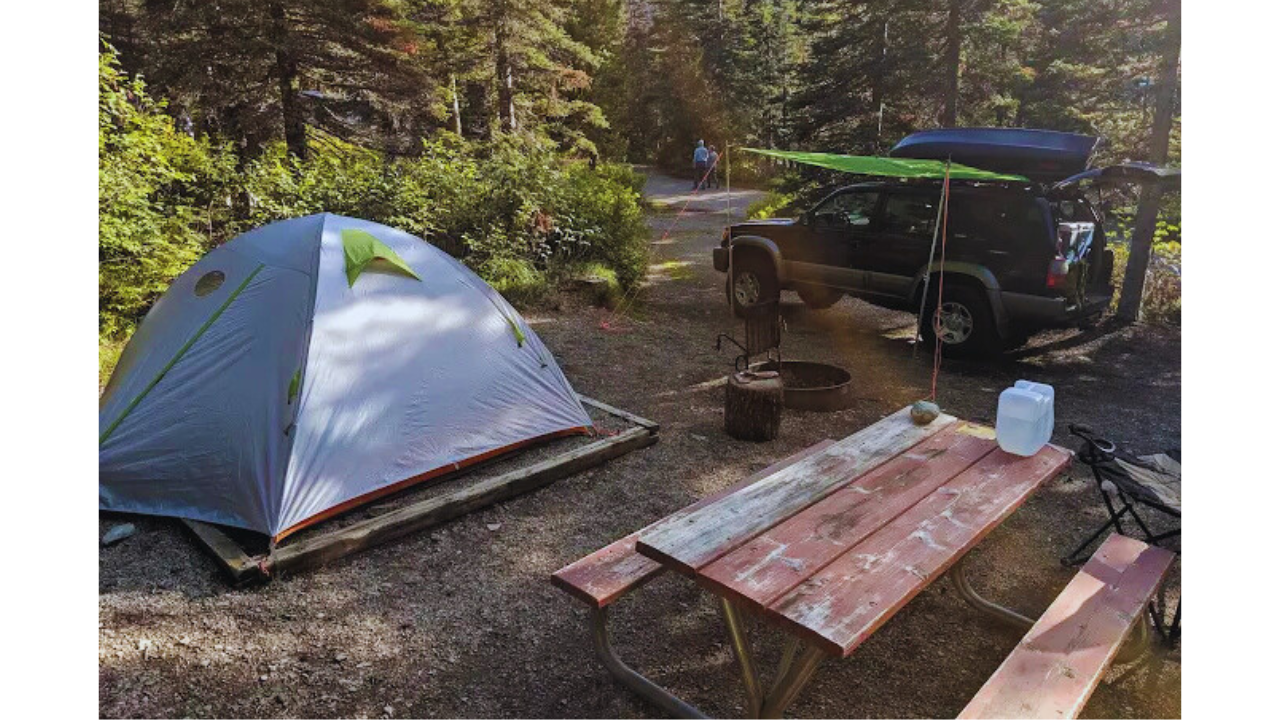
Tucked in a quieter part of Glacier, Two Medicine Campground gives you 100 shady, semi-private spots that feel more relaxed than the park’s busier areas. Tall trees help with shade and privacy, and the surrounding trails make it great for hikers of all ages.
Running Eagle Falls is just a short, flat walk from camp, and there’s a historic camp store that sells essentials and souvenirs. This spot is popular with families for a reason…it’s scenic, calm, and easy to get around. You’re also more likely to get a spot here than in busier places like Many Glacier.
3. Kintla Lake Campground
At a Glance:
- Location: Northwest corner of Glacier National Park
- Website: nps.gov/glac
- Best Time to Visit: Early June – Early September
- Cost: Standard camping fee
- Reservations: First-come, first-served
- Duration: Not specified
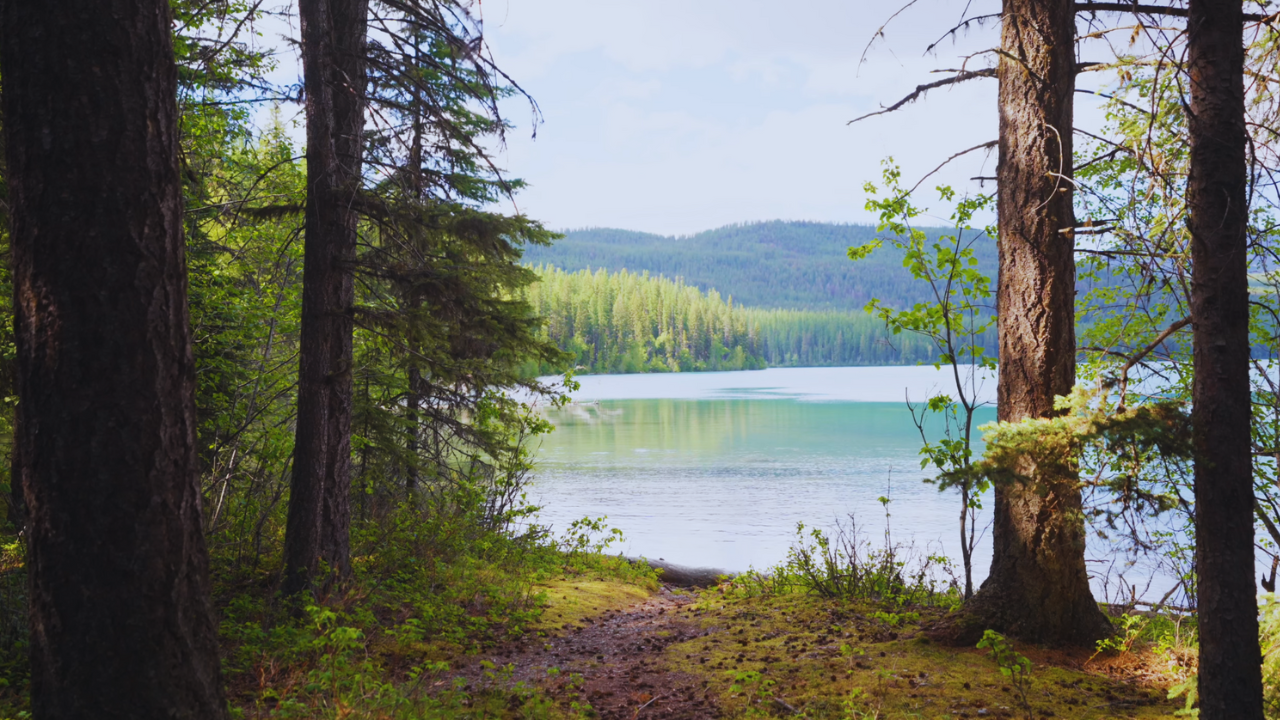
This one’s for the folks who want peace and quiet…real quiet. Kintla Lake Campground is one of the most remote frontcountry spots in Glacier. It’s about 40 miles down a rough road, and trailers aren’t allowed, which keeps the crowds low.
What you get in exchange for the bumpy drive is a pristine lake and a handful of tent sites where mornings start with the soft sound of loons and evenings end with stars you can’t believe are real.
It’s primitive…no electricity or flushable toilets, but it might be the most peaceful place you’ll ever pitch a tent.
4. Holland Lake Campground

At a Glance:
- Location: Swan Valley
- Website: fs.usda.gov/flathead
- Best Time to Visit: Mid-May – Late September
- Cost: $20 per night
- Reservations: Some sites reservable, others first-come
- Duration: Not specified
Set among tamarack, ponderosa, and Douglas fir, Holland Lake Campground has 40 sites that hug the shores of a 416-acre alpine lake. It’s easy to access, yet it still has that wild Montana feeling that makes you want to put your phone away.
The Holland Falls National Recreation Trail starts nearby and leads to one of the most rewarding waterfall views in the state. Campsites come with fire rings, picnic tables, vault toilets, and drinking water.
The lake is popular for swimming, kayaking, and paddleboarding, and on windless mornings, the reflection of the Swan Mountains is worth getting up early for.
5. Lewis and Clark Caverns State Park
At a Glance:
- Location: Between Butte and Bozeman, off I-90
- Website: stateparks.mt.gov
- Best Time to Visit: Year-round (cave tours in summer only)
- Cost: Varies by site
- Reservations: Available
- Duration: Not specified
Here’s something a bit different. This campground is home to one of the most incredible limestone cave systems in North America, and you can tour the caverns during the summer months. The park has 40 campsites that can handle tents, trailers, and RVs.
There are flushable toilets, showers, a dump station, and even a playground, making it great for families.
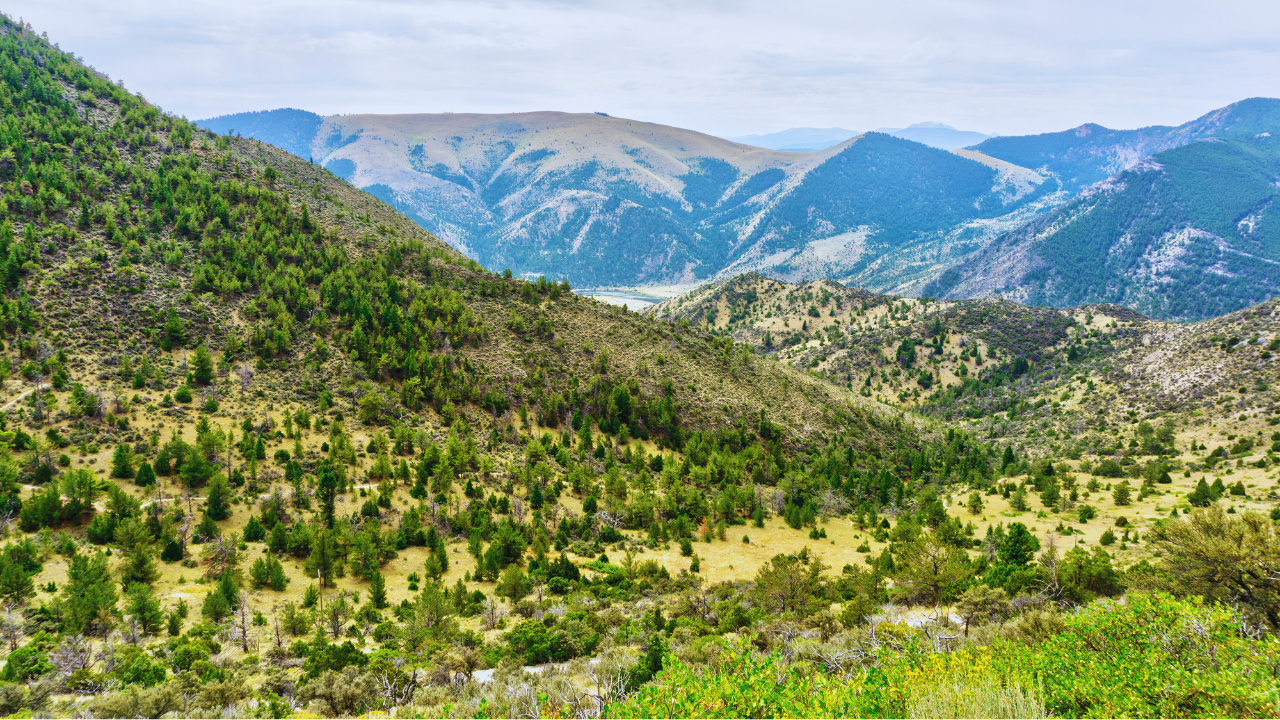
With easy access off I-90, it’s an ideal stop for travelers heading east or west. And, while the caves are the main draw, the surrounding hiking trails and mountain views make it a solid spot to hang out for a couple of days.
Activities & Attractions Near Camping Spots in Western Montana
From morning hikes to sunset drives, here are some ways to make the most of your stay near each campground.
Hiking and Backpacking Trails
Each campground has trailheads close by, ranging from family-friendly walks to all-day treks. From Apgar, the Trail of the Cedars and Avalanche Lake hike are top picks. Two Medicine offers routes like Aster Park and Upper Two Medicine Lake.
Kintla Lake is a gateway to Boulder Pass for experienced backpackers. Holland Falls Trail is a must-do near Holland Lake. At Lewis and Clark Caverns, check out Cave Gulch Trail for sweeping views.
Fishing and Water Activities
Bring your rod and paddle, there’s plenty to do on the water. Lake McDonald, near Apgar, is a calm spot for canoeing and paddleboarding. Holland Lake is popular for trout and salmon fishing.
Kintla Lake offers peaceful paddling and catch-and-release fishing (be sure to check regulations and get your Montana fishing license). Swimming, kayaking, and even a boat tour are also options, depending on the site.
Hot Springs and Scenic Drives
After a long hike, a scenic drive or a hot spring soak can be the perfect way to unwind. Near Apgar and Two Medicine, Going-to-the-Sun Road offers unforgettable mountain views.
From Lewis and Clark Caverns, it’s a short drive to Bozeman Hot Springs. The entire Swan Valley area near Holland Lake is also a beautiful route to explore by car.
Local Towns and Attractions
Nearby towns are great for picking up supplies, grabbing a bite, or just stretching your legs.
Whitefish is near Apgar and has breweries, shops, and restaurants. Bigfork is a charming town close to Holland Lake. From Lewis and Clark Caverns, Bozeman and Butte are within easy reach. Each town adds a little more flavor to your trip.
Photography Opportunities
Montana’s natural light is pure magic, especially early in the morning or just before sunset. Lake McDonald offers mirror-like reflections at dusk. Two Medicine glows pink and gold at sunrise. Kintla Lake’s isolation means clear skies for night shots. Holland Falls is perfect for long-exposure waterfall photos.
And, if you’re near the caverns, the golden hour lights up the surrounding hills in all the right ways.
Essential Camping Tips for Western Montana
Camping out here is an experience worth remembering, but it comes with a few things you’ll want to keep in mind. Here’s how to stay safe, prepared, and comfortable no matter where you set up your tent.
Wildlife Awareness & Safety
Western Montana is grizzly country, so bear safety isn’t optional.
Always carry bear spray, store food in bear-proof containers or hang it at least 10 feet off the ground and four feet from a tree trunk, and avoid leaving anything with a scent in your tent, including toothpaste and snacks.
For mountain lions, make noise while hiking, don’t hike alone at dawn or dusk, and keep kids and pets close. Moose can be just as dangerous…give them space and never try to approach. Stick to Leave No Trace practices: pack out trash, stay on marked trails, and never feed wildlife.
Weather Preparedness
The weather can change fast, even in the middle of summer. Storms roll in quickly, and temps can drop 30 degrees in a few hours. Wear layered clothing (base layer, insulating layer, waterproof shell), and pack rain gear even if the forecast looks clear.
Bring a beanie, gloves, and extra socks…it’s not overkill out here. Check forecasts daily through weather.gov or local ranger stations, and have an emergency plan just in case.
Campfire Safety & Regulations
Montana has strict fire rules, especially during dry spells. Fire bans can pop up without much warning, so always check updates on fs.usda.gov or nps.gov before lighting up.
If campfires are allowed, use existing rings or pits, keep flames small, and never leave the fire unattended. When it’s time to leave, drown the fire with water, stir the ashes, and check with your hand (safely) to make sure it’s completely cool. If it’s warm, it’s not out.
Essential Gear & Packing
Make sure your gear matches the conditions. Your tent should be sturdy, well-ventilated, and have a solid rainfly. Sleeping bags rated to 20°F are a good bet, and don’t forget an insulated pad for comfort and warmth.
Bring a camp stove, fuel, and enough food stored in bear-safe containers. A water filter or purifier is a must…don’t count on drinking straight from a stream. Navigation tools should include a paper map, compass, and GPS or downloaded trail maps.
Pack a first-aid kit with the basics: antiseptic, tweezers, gauze, moleskine, and any personal meds. Round it out with waterproof boots, extra layers, a headlamp, and sun protection.
Conclusion
Camping in Western Montana offers more than just a place to sleep…it’s a chance to slow down, breathe fresh mountain air, and reconnect with something real.
Whether you’re drawn to Glacier’s alpine lakes, the quiet solitude of Swan Valley, or the underground marvels of Lewis and Clark Caverns, there’s a spot out here with your name on it.
Remember to tread lightly, pack smart, and leave every place better than you found it. For more helpful trip planning info, campground updates, and Montana travel ideas, head to discoveringmontana.com.