

Trains are heavily entwined in Montana’s legacy. Throughout the rich mining history of the state, a network of railroads has helped to connect different communities and link Montana to its neighboring states.
Used for the transport of freight and transport of people, railroads continue to be used in Montana today. Let’s take a closer look at railroads in Montana.
A Guide to Railroads in Montana
History of Railroads in Montana
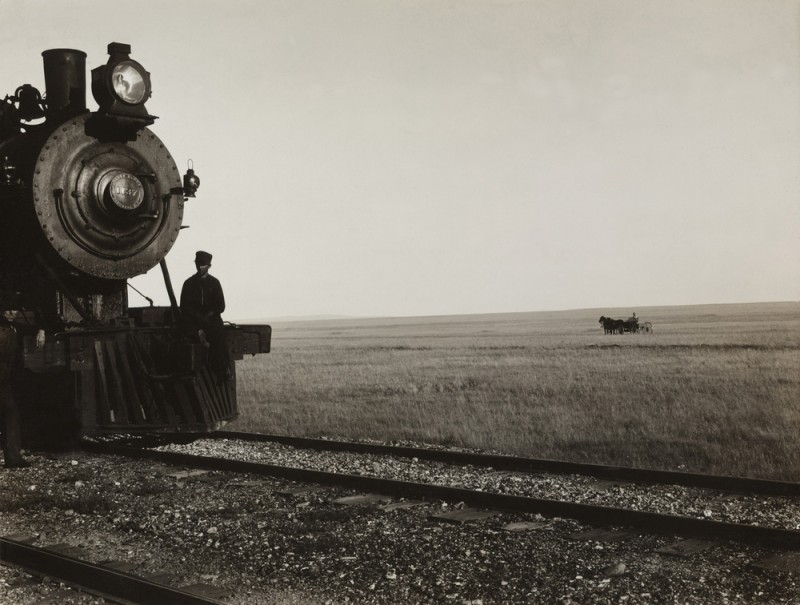
The very first railroad in the United States dates back to the 1820s. Though the first railroad was constructed in Baltimore, the technology quickly spread through the country.
By the 1880s, railroads had come to Montana and had begun to have a major impact on the state.
The first railway in Montana consisted of tracks that were built over the Continental Divide, between Idaho and Montana, on May 9, 1880, by the Utah and Northern Railway.
This line was financially backed by Mormon interests that were attempting to create a link between Utah and Idaho. The first train using this railway arrived in Butte from the city of Ogden, Utah, on December 21, 1881.
By 1882, Butte was producing an annual 9 million pounds of copper thanks to this new infrastructure. At the same time, the Northern Pacific Railway was leading to the growth of Billings.
The next tracks to be laid were those that connected Butte, Anaconda, and Garrison. The Northern Pacific Railway added the Butte Short Line to their main railway in 1889. Shortly after in 1892, the Butte, Anaconda, and Pacific Railway was constructed with the intention of transporting passengers and copper ore.
The economic depression known as the Panic of 1893 temporarily stopped a new railway between the east of Helena and central Montana from being built that year. But this was eventually continued in 1895 and was called the Montana Railroad.
In 1908, the Chicago, Milwaukee, St. Paul, and Pacific Railroad purchased the Montana Railroad, which became part of their main railway line that traversed the state. Over the years, it continued to branch out to other areas in Montana, including Great Falls.
As the 20th century continued, the rail lines in Montana were slowly upgraded. By 1917, the Chicago, Milwaukee, St. Paul, and Pacific Railroad, and the Butte, Anaconda, and Pacific Railway, were electric.
According to American Rails, Montana boasted three Seattle to Chicago main lines at the peak of its railway activity and was also home to the country’s longest-operated stretch of electrified railway.
The Impact of Railroads on Montana
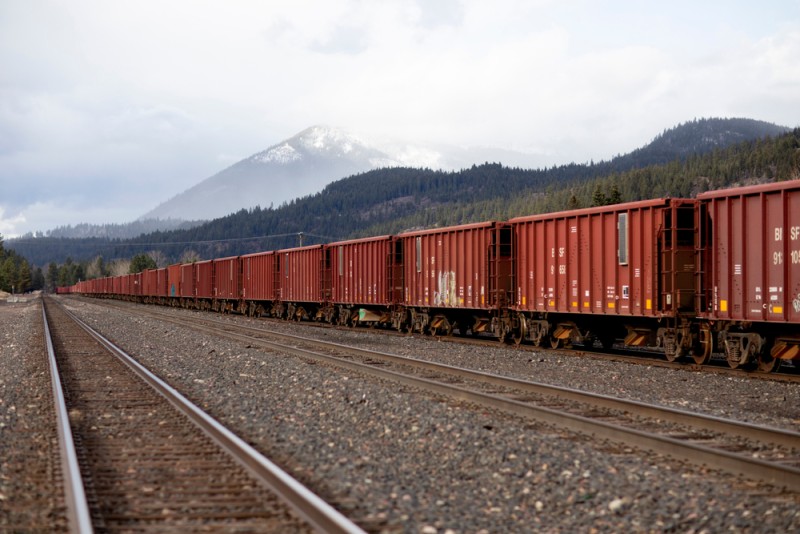
As Montana Connections explains, Montana was greatly affected when railroads were introduced to the state.
Transport by railway significantly improved multiple industries and directly led to the growth of several cities. Billings, for example, was nicknamed The Magic City because of how quickly it evolved once railways were constructed throughout the state.
Railroads led to a population boom and an increase in supplies and money being injected into Montana. In particular, mining towns, like Butte and Anaconda, benefited greatly from the presence of rail links.
Before the introduction of railways in Montana, the state was largely undeveloped, but this new infrastructure dramatically changed the game.
Abandoned Montana Railroads

Since the 1920s, it’s estimated that Montana has lost around 1,300 miles of rail lines. One of the most famous abandoned railroads was the Milwaukee Road Pacific Extension.
There was also significant abandonment from the Northern Pacific and Great Northern branch lines over the course of the 20th century.