

Montana is renowned for its glorious outdoor scenery, including the magnificent Glacier National Park and part of Yellowstone National Park. The natural beauty includes abundant wildlife, including bears, both Grizzly bears and Black bears.
With the combination of people using this outdoor space for recreational opportunities where bears are living in their natural environment, it raises the chances of encounters and potential bear attacks in Montana.
Several years ago, I went on a week-long hiking trip to Glacier National Park and hiked by myself on many of the most popular trails. It gave me pause to occasionally see the signs at trailheads that this is Grizzly Bear country, complete with a warning to not hike alone.
Not having a companion, I did hike fortunately without incident (only seeing a bear far away in a pasture) but wondered about how often there are bear attacks in Montana and what to do to prepare against such encounters.
Bear Attacks in Montana

Are there Grizzly Bears in Montana?
Montana is home to many native grizzly bears. In fact, the state has the largest remaining grizzly bear population in the entire country aside from Alaska.
Grizzly bears were historically a common feature in Montana and at one time they would have frequented the majority of the state. The journals of Lewis and Clark contained many references to the bears although eventually, these same grizzly populations dwindled from an estimated 50,000 or more to less than 1,000.
The grizzly bears in Montana range from light brown to black in color and it’s not uncommon for males to weigh between 400 and 500 pounds and stand more than 8 feet tall on their hind legs.
There are always mixed feelings about bears in terms of both their iconic value and the danger that they can represent. The grizzly bears in Montana typically start to emerge from their temporary winter dens around March or April in springtime and continue to actively hunt and feed for six to eight months.
How Many Have Occurred In Montana?
Montana is prime bear country. The area along the Continental Divide that includes Glacier National Park has seen 11 fatal bear attacks in the last 50 years.
As for Glacier National Park, there have been only 10 bear-related fatalities in the history of the park (all since 1967 when two young women were killed the same August night during what was subsequently called the Night of the Grizzlies, and prompted major changes to park bear policy).
Regarding Yellowstone National Park, over the past 20 years, there have been eight fatal maulings of people by grizzlies.
At the end of the article, we have compiled a list of fatal bear attacks in Montana along with its connected parks in other states. This will give the reader an idea of both what has happened in the past and how to practice proper safety to ensure their own safety.
Where Are Attacks Most Likely To Happen?
The Grizzly bear is the official animal of Montana, and the species usually resides in the western parts of the state. Black bears reside across most of the state.
The most active U.S. national parks for bears are Glacier National Park, Yellowstone National Park, Denali National Park, Glacier Bay National Park and Katmai National Park.
What Are The Reasons For The Increase In Bear Attacks?
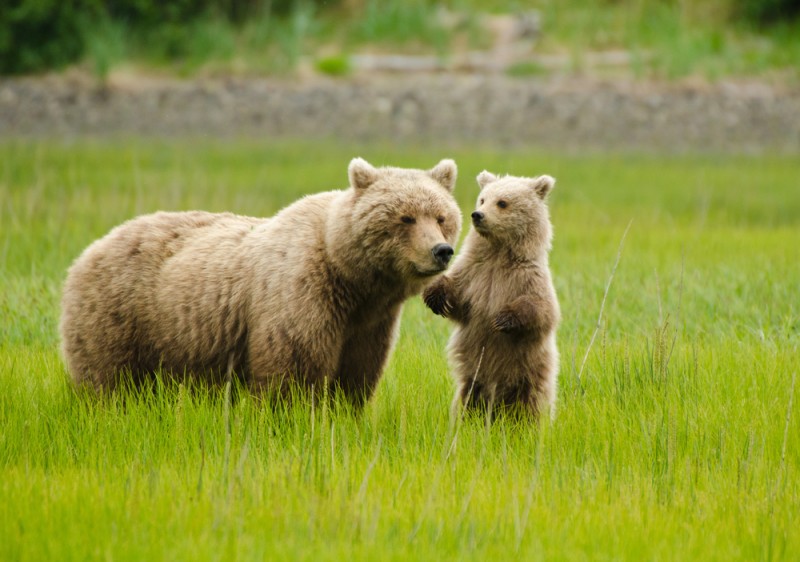
Grizzly bears are responsible for most fatal bear attacks. In the lower 48 states, they have been listed as an endangered species since 1975. Then there were only about 700 and 800 grizzlies in the continental U.S. Today, that total has risen to